HR Automation & AI HR
Practical guides on automating HR workflows, onboarding, and people ops.
Manual administrative burdens drain hours from strategic people operations. Modern HR automation software streamlines repetitive employee lifecycles—from onboarding workflows and time-off approvals to compliance reporting and AI-driven internal helpdesks. Our research in this section focuses on practical implementation: which tools truly save time for startups under 50 employees, how AI assistants stack up against traditional suites, and how remote-first organizations maintain a human touch while automating core operations.
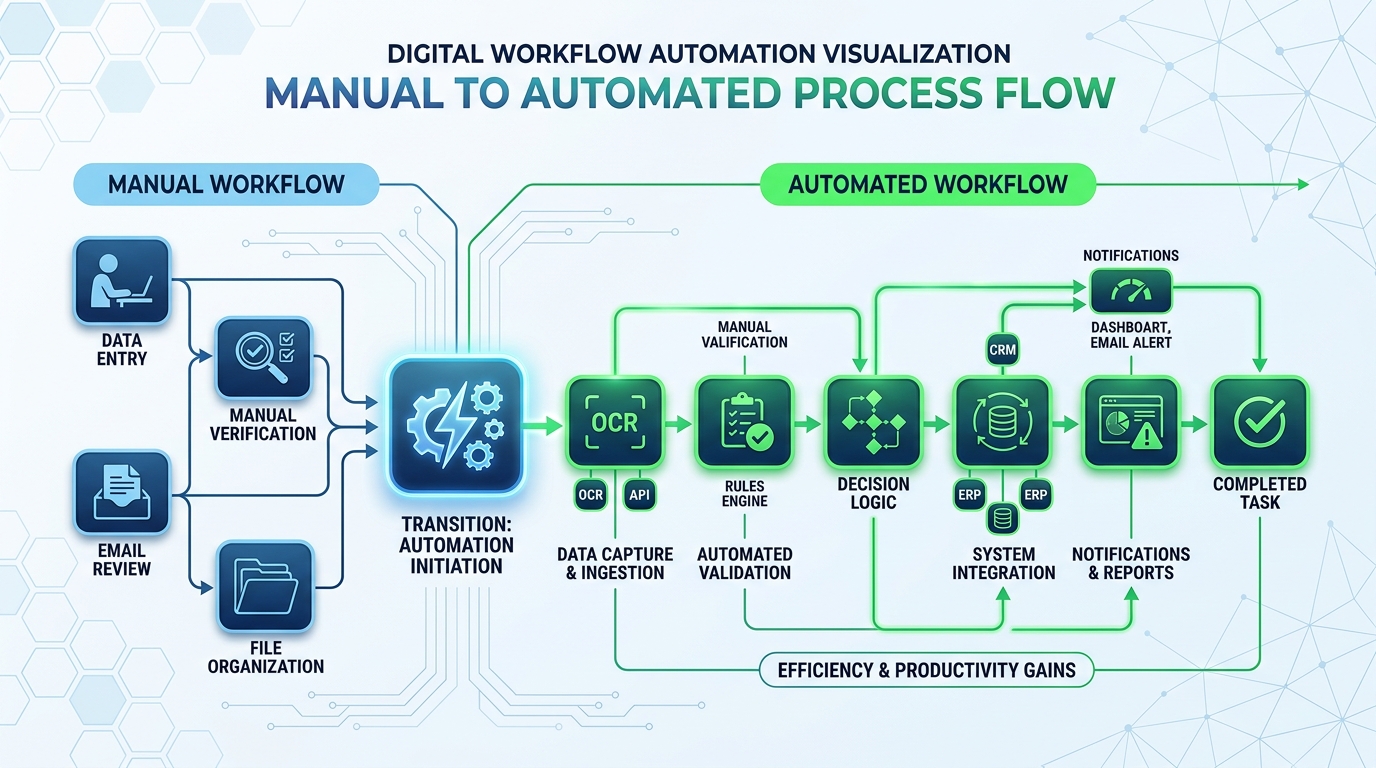
HR Workflow Automation: A Practical Implementation Guide
A step-by-step guide to HR workflow automation implementation — what to automate first, common pitfalls, and how to measure real ROI.

Best AI-Powered HR Software for Remote Teams
Remote teams need different HR software than office-based ones. Here's what AI-powered HR tools actually solve…
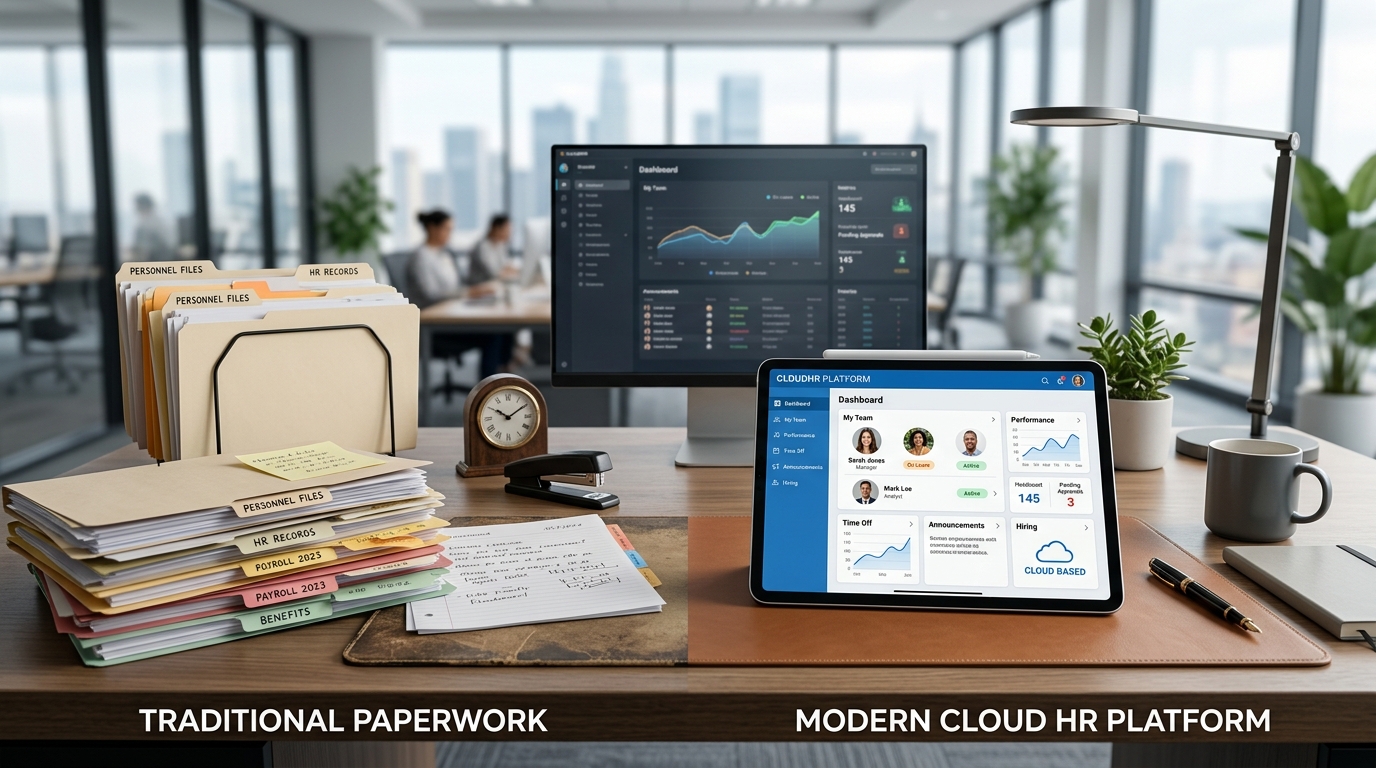
AI HR Tools vs Traditional HR Software: What's the Real Difference?
AI HR tools vs traditional HR software — what's actually different, what's marketing, and how to decide which …

Best AI HR Software for Startups Under 50 Employees
Best AI HR software for startups under 50 employees — what actually matters at this stage, what to skip, and r…

Best HR Automation Software for Small Business in 2026
The best HR automation software for small business isn't the biggest platform — it's the one that fits a lean …

AI HR Assistant Tools Compared: Which One Fits Your Team?
AI HR assistant tools compared by capability tier — from basic FAQ bots to full conversational assistants — an…

How to Automate HR Onboarding Without Losing the Personal Touch
How to automate HR onboarding without it feeling robotic — a practical guide to what to automate and what to k…
What this section covers
HR automation software removes manual hand-offs from everyday people operations: onboarding checklists, approvals, document collection, time-off requests, policy questions and reporting. This pillar compares rule-based HR systems with newer AI assistants, explains where each is reliable, and shows how small teams and remote-first companies can automate without losing the human contact employees expect at moments that matter.
Where to start
- AI HR Tools vs Traditional HR Software: What's the Real Difference? — Separate real AI capability from marketing labels before comparing products.
- HR Workflow Automation: A Practical Implementation Guide — A step-by-step plan for choosing what to automate first.
- Best AI HR Software for Startups Under 50 Employees — Shortlists and pricing realities for very small HR teams.
Three questions to answer before you shortlist
- Is the process stable enough to automate?
- Automating an undocumented or frequently changing process locks in the confusion. Map the steps and owners first, then automate the repetitive parts.
- Rule-based or AI?
- Use deterministic rules for anything that must be auditable (payroll, compliance deadlines, approvals). Use AI for high-volume, low-risk tasks such as answering policy questions.
- What does it integrate with?
- Automation only saves time if it reads from and writes to your HRIS, payroll and identity provider. Check native integrations before features.
Calculators for this topic
New to the jargon? See the HR Tech & LMS Glossary. Curious how these guides are researched? Read our Editorial Guidelines.